Daily Meditation Routine Best Practices in 2026
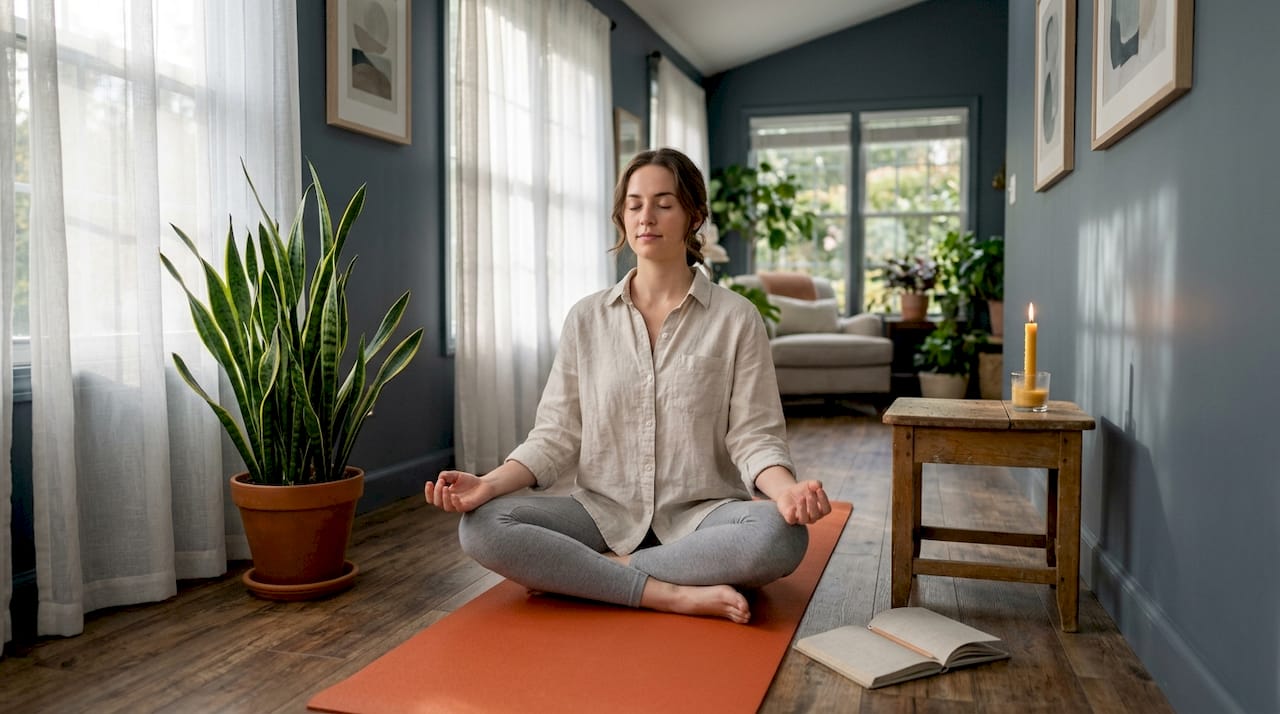
A daily meditation routine built on short, consistent sessions anchored to reliable daily triggers is the most effective way to build lasting mental clarity and emotional well-being. Research from Harvard Health Publishing and behavior design experts like BJ Fogg confirms that frequency beats duration every time. Daily meditation routine best practices are not about sitting still for an hour. They are about showing up for 5 minutes, every day, at the same moment in your schedule. This guide gives you the exact framework to make that happen.
1. start with the right session length
The biggest mistake beginners make is starting too long. Daily short sessions of 5–10 minutes outperform infrequent 20–30 minute sessions for habit formation. That finding matters because it removes the pressure to carve out a large block of time before you have even built the behavior.
The concept of a “minimum viable habit” applies directly here. BJ Fogg’s behavior design research shows that shrinking a new habit to its smallest possible form dramatically increases follow-through. For meditation, that means 2 minutes counts. A 2-minute breath focus session done daily beats a 20-minute session done twice a month.
Here is a practical progression framework:
- Week 1–2: 2–5 minutes of simple breath awareness
- Week 3–4: 5–8 minutes, adding a body scan at the end
- Month 2 onward: 8–12 minutes, experimenting with guided sessions or mantras
Pro Tip: Set a timer on your phone for 5 minutes and commit to not stopping before it goes off. That single constraint removes the mental negotiation that kills new habits.
Once the habit is stable, increasing duration feels natural rather than forced. The goal in the first 30 days is repetition, not depth.
2. choose the right time and setting
The best time to meditate is when you can consistently show up with the least resistance. Consistency and attention availability define the ideal meditation time, not a fixed clock hour. That is the most practical meditation timing suggestion you will find.
Here is how the three main windows compare:
| Time of Day | Pros | Cons |
|---|---|---|
| Morning | Fresh mind, fewer distractions, sets tone for the day | Requires earlier wake-up, may feel groggy |
| Midday | Natural reset, breaks up work stress | Harder to find privacy, easy to skip |
| Evening | Helps decompress, transitions into rest | Risk of falling asleep, energy is lower |
Morning is often considered the strongest window because the mind has not yet accumulated the day’s noise. That said, a midday session you actually do beats a morning session you keep skipping.
Habit stacking is the most reliable way to lock in your timing. Physical trigger-based habit stacking automates meditation initiation and improves adherence. Concrete examples include meditating right after pouring your morning coffee, immediately after brushing your teeth, or the moment you sit down at your desk before opening email.
Pro Tip: Try three different time slots for one week each. Track which one you skipped least. That slot is your best time, regardless of what any guide recommends.
3. master the core beginner techniques
Effective meditation practices for beginners do not require special training or spiritual background. Starting with 5 minutes of breath focus daily is enough to reduce stress and build momentum. The technique is simple: sit comfortably, close your eyes, and follow the sensation of your breath moving in and out.
Three techniques work best for daily practice:
- Breath awareness: Focus on the physical sensation of each inhale and exhale. Count breaths from 1 to 10, then restart. This is the foundation of most meditation traditions.
- Body scan: Move attention slowly from your feet to the top of your head, noticing tension without trying to fix it. This works especially well for evening sessions.
- Guided meditation: Follow a narrated session from an app or podcast. This removes the burden of self-directing your attention and works well for beginners who find silence uncomfortable.
Posture matters more than most guides admit. Sit upright in a chair with your feet flat on the floor, or cross-legged on a cushion. The goal is alert but relaxed. Lying down works only if you are confident you will not fall asleep.
One more thing: a wandering mind is not a problem. Noticing your mind has wandered and returning to breath is the actual exercise. Every return is a mental rep. Beginners who understand this stop quitting after the first session.

4. remove distractions before you sit down
Distraction removal is a structural problem, not a willpower problem. Meditating at the same time and place each day reduces decision fatigue and increases long-term consistency. When the environment is predictable, your brain stops negotiating and just starts.
Practical steps to protect your session:
- Put your phone on Do Not Disturb before you sit, not after
- Use the same physical spot every day, even if it is just a specific chair
- Tell anyone in your household that the next 10 minutes are off-limits
- Close browser tabs and silence desktop notifications if you meditate at a desk
- Use a dedicated app or timer so your phone serves the session rather than interrupting it
Technology is a genuine asset here. AI-personalized reminders and tracking tools support consistency through behavior design principles. Apps that send context-aware nudges at your chosen time remove the mental overhead of remembering to practice.
Pro Tip: Place a physical object, a cushion, a candle, or even a specific mug, in your meditation spot the night before. Seeing it in the morning acts as a visual cue that triggers the behavior before your rational mind can object.
Wearable devices like the Apple Watch or Oura Ring can also track meditation duration and flag streaks, which adds a lightweight accountability layer without requiring a coach.
5. build the habit with behavior design
Establishing a meditation habit is a design problem. Habit stacking with minimal viable sessions more than doubles meditation habit retention after 30 days. That is not a motivational claim. It is a structural one.
BJ Fogg’s Tiny Habits method and James Clear’s Atomic Habits framework both point to the same mechanism: attach the new behavior to an existing one, make it small enough to be undeniable, and celebrate the completion. For meditation, the formula looks like this: “After I [existing habit], I will meditate for [X] minutes.”
Linking meditation to building lasting healthy habits through proven behavior design methods is what separates people who meditate occasionally from those who meditate daily. The difference is rarely motivation. It is almost always structure.
Tracking also matters. Marking a calendar, logging a session in an app, or even texting a friend after you finish creates a small reward signal. That signal reinforces the loop. After 30 days of consistent logging, the streak itself becomes a motivator.
6. understand the cumulative benefits
The benefits of daily meditation compound over time, not overnight. Short daily meditation reduces stress and improves focus within weeks, according to research cited by Harvard Health and the American Psychological Association. That timeline is realistic and worth holding onto when the first few sessions feel unremarkable.
After two to four weeks of consistent practice, most people report three changes: they react less sharply to stress, their attention span during work improves, and they fall asleep faster. These are not dramatic transformations. They are the kind of quiet shifts that accumulate into a noticeably different quality of life.
“The goal of meditation isn’t to control your thoughts. It’s to stop letting them control you.” This shift in relationship to your own mind is what makes daily practice worth the five minutes.
The energy angle is underreported. Meditation done correctly does not make you sleepy. It restores mental bandwidth that stress and distraction drain throughout the day. You can read more about how daily meditation builds energy through consistent practice.
One more reassurance: missing occasional days does not negate progress. Benefits accumulate with overall consistency, not perfect streaks. A missed Wednesday does not undo three weeks of work.
Key takeaways
A daily meditation routine succeeds when frequency, structure, and simplicity work together rather than relying on motivation alone.
| Point | Details |
|---|---|
| Start small and stay consistent | Sessions of 5–10 minutes daily outperform infrequent longer sessions for habit formation. |
| Anchor to an existing trigger | Habit stacking with a physical cue like morning coffee automates the behavior and reduces friction. |
| Choose your most available time | The best meditation time is when you can show up consistently, not a fixed ideal hour. |
| Treat mind-wandering as the practice | Returning attention to breath is the core exercise; there is no such thing as doing it wrong. |
| Benefits compound over weeks | Stress reduction and improved focus appear within weeks and grow with continued daily practice. |
What i’ve learned after years of building this habit
The advice I wish someone had given me early on is this: stop trying to meditate perfectly and start trying to meditate repeatedly. I spent months chasing the “right” technique before I realized the technique barely matters in the first 90 days. What matters is that you sit down.
My most reliable anchor has always been the moment right after I pour my first coffee. I do not check my phone. I do not open my laptop. I sit with the mug and follow my breath for five minutes. That single constraint has held through travel, deadlines, and genuinely rough stretches. It works because it costs almost nothing to start.
The hardest part of establishing a meditation habit is not the meditation itself. It is the internal negotiation that happens before you sit down. The fix is to make the decision the night before. Set your spot, set your timer, and commit to the trigger. By the time morning arrives, the decision is already made.
Be patient with yourself when you miss days. Missing two days in a row is the only real danger. One missed day is a rest. Two missed days is the start of a new habit of not meditating. That distinction has kept my practice alive through every disruption.
— Giorgio
How Mosaiic fits into your daily practice
If you have ever sat down to meditate and stared blankly at a timer wondering what to actually do, Mosaiic was built for that exact moment.

Mosaiic is a personalized meditation app that generates a new guided session every day based on what is actually draining your energy. You describe your situation, whether that is burnout, low motivation, or a rough week, and Mosaiic writes and narrates a 5-minute session specific to that context. Each session builds on the last, so your practice evolves as you do. The positioning is deliberate: energy, not just calm. Mosaiic is designed to leave you fuller, not sleepier. Explore personalized daily sessions and see what a routine built around your actual life feels like.
FAQ
How long should a beginner meditate each day?
Beginners should start with 5–10 minutes daily. Short daily sessions build sustainable habits more effectively than longer infrequent ones.
What is the best time of day to meditate?
The best time is when you can practice consistently with the least resistance. Morning works well for many people, but the right time is the one you will actually keep.
What should i do when my mind keeps wandering?
Notice the wandering and return your focus to your breath. That act of returning is the core meditation exercise, not a sign that you are doing it wrong.
How soon will i notice benefits from daily meditation?
Most people notice reduced stress and improved focus within two to four weeks of consistent daily practice, according to research from Harvard Health and the American Psychological Association.
Does missing a day ruin my progress?
Missing occasional days does not negate progress. Benefits accumulate with overall consistency over time, so one skipped session has no meaningful impact on your long-term results.