Guided Session vs Silent Meditation: Which One Fits You?
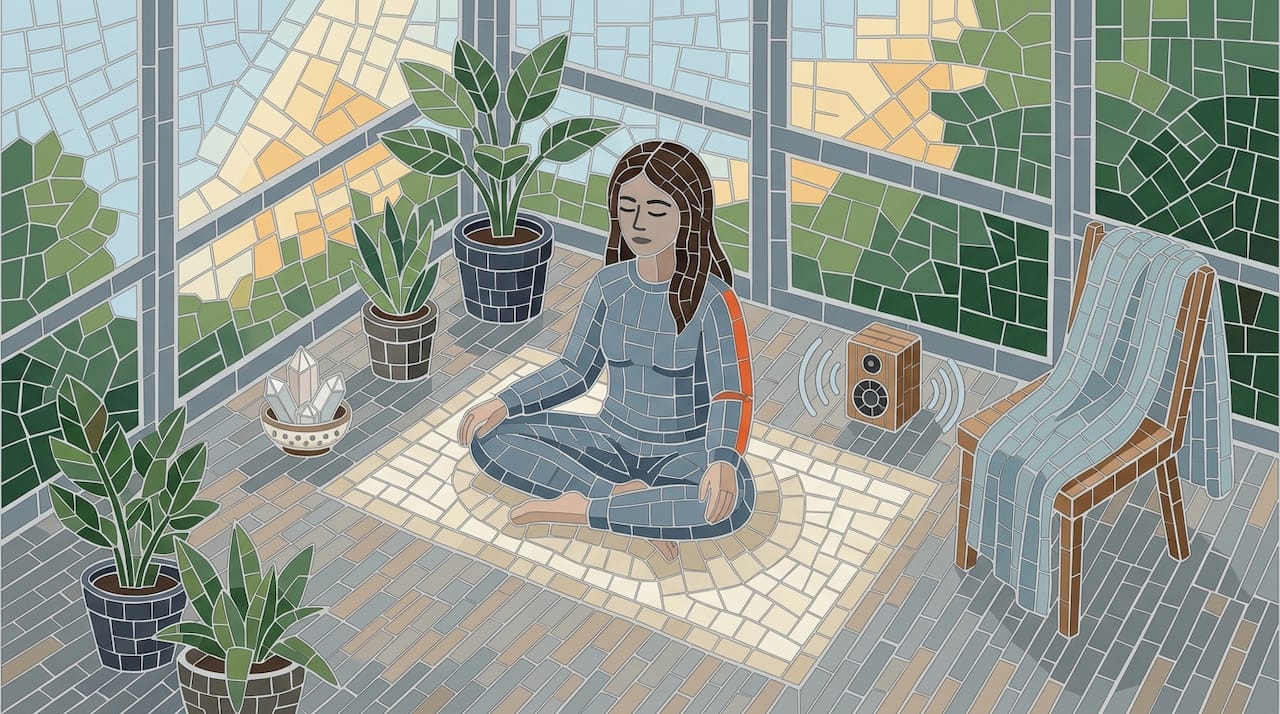
Guided meditation is defined as a practice led by an external voice or instructor that directs your attention through structured cues, while silent meditation is a self-directed practice where you sustain focus entirely from within. The choice between a guided session vs silent meditation is not about which method is superior. It is about which one matches your current experience level, mental state, and goals. Both practices build focus and reduce stress, but they develop different mental skills and suit different moments in your life.
What are the main benefits of guided meditation?
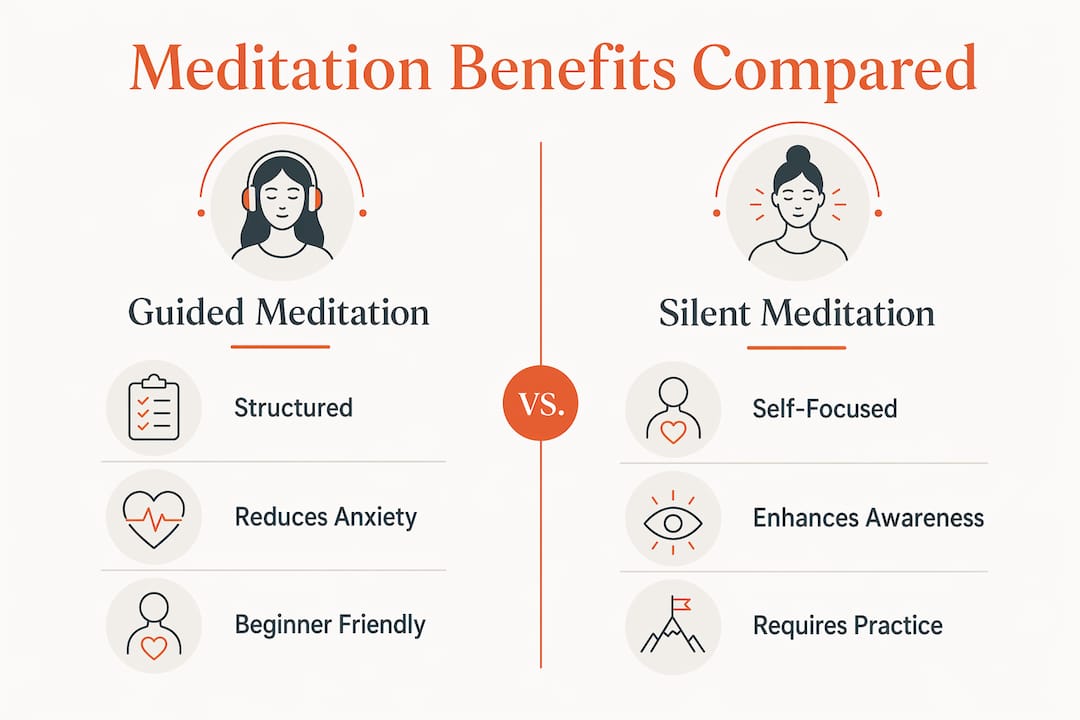
Guided meditation reduces anxiety and lowers cortisol levels through structured, externally paced attention training. Research shows guided meditation can reduce cortisol by up to 30% and decrease anxiety symptoms in roughly 60% of consistent users. That is a meaningful physiological shift, not just a subjective feeling of calm.
The core mechanism is cognitive scaffolding. When a voice tells you where to place your attention, you do not have to decide. Guided sessions reduce mental effort by providing structure that removes the burden of self-direction, which is exactly what someone in burnout or high stress cannot afford to spend. Think of it as the difference between hiking with a trail map and bushwhacking through unmarked terrain.
Guided meditation benefits are especially pronounced for beginners. Mind wandering occupies roughly 47% of waking hours, which means a new meditator sitting in silence will likely spend most of their session chasing thoughts. A guided voice gives the mind a fallback anchor, whether that is breath counting, a body scan, or a visualization sequence. That anchor trains the attention recovery skill that meditation is actually building.
Common guided formats include:
- Body scan: A voice moves attention systematically from feet to head, releasing tension in each region
- Breath-focused guidance: Cues like “inhale for four counts, hold for two, exhale for six” remove the need to self-pace
- Imagery and visualization: Narrated scenes (a forest path, a calm shoreline) engage the imagination to reduce rumination
- Loving-kindness (metta): Structured phrases directed toward self and others build emotional regulation over time
Pro Tip: If you find your mind racing during a guided session, choose a body scan format over breath-only guidance. Physical sensation anchors are harder to lose than abstract breath counting, especially when anxiety is high.
Guided meditation is the right starting point for anyone under 50 hours of total practice, anyone managing acute stress, and anyone whose mental load is already at capacity. The structure does not make it easier in a trivial sense. It makes it possible.
What benefits does silent meditation offer?
Silent meditation is the practice of sustaining internal focus without any external instruction, and its primary benefit is the development of genuine self-regulation. Where guided sessions train attention recovery with support, silent practice trains you to generate and hold focus entirely from your own resources. That distinction matters enormously for long-term mental resilience.
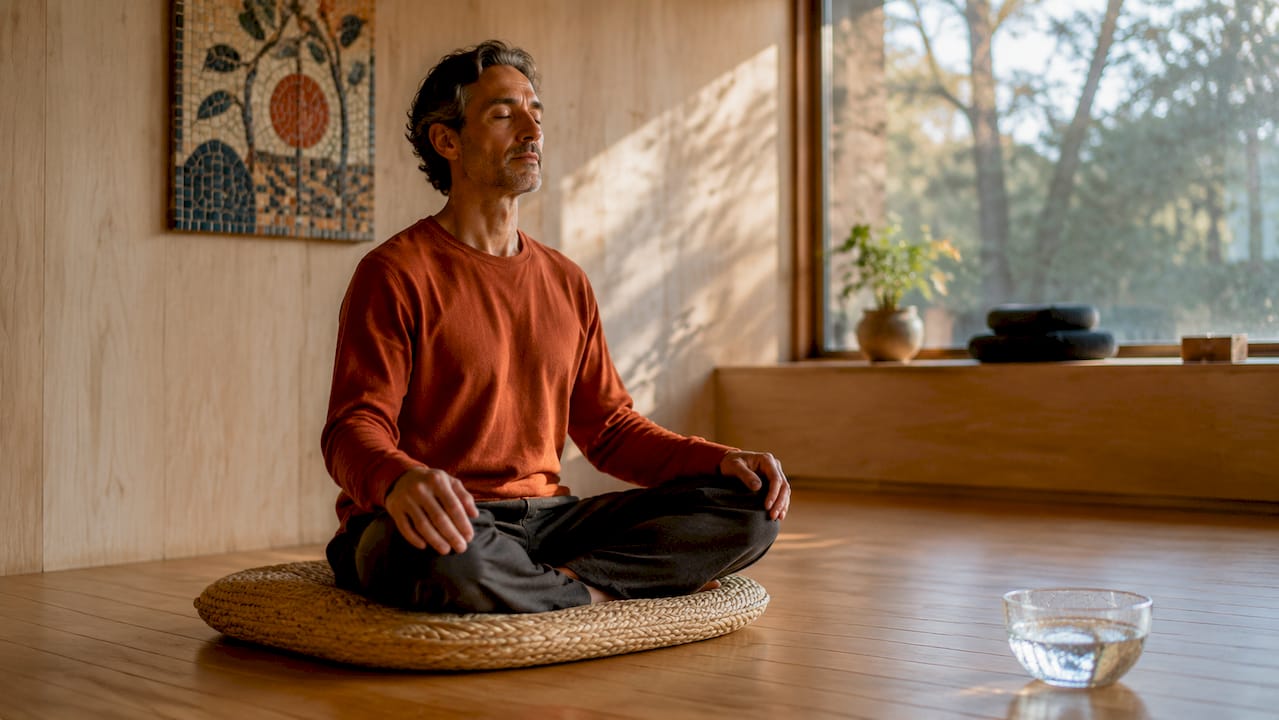
Silent meditation requires practitioners to handle internal distraction without external cues, which causes discomfort initially but leads to deeper awareness. Experts treat that discomfort not as a sign of failure but as a developmental signal. You are learning to be present with internal states rather than avoiding them. That is a fundamentally different skill than following a voice.
The silent meditation advantages that experienced practitioners report most often include:
- Deeper introspection: Without a narrator, the mind surfaces its own material, revealing patterns that guided sessions can obscure
- Emotional regulation: Sitting with discomfort without reaching for external support builds tolerance for difficult feelings
- Flexible practice: No app, no headphones, no schedule dependency. You can practice anywhere, anytime
- Insight and clarity: Extended silent sessions, particularly formats like Vipassana or Zen sitting, produce qualitative shifts in self-understanding that shorter guided sessions rarely match
Pro Tip: When starting silent meditation, set a timer and commit to three minutes before extending. The goal is not duration. It is building the tolerance to stay without reaching for distraction.
Silent meditation is not the more advanced or more serious option in a competitive sense. It is the right tool for a specific context: when you have enough internal stability to work without scaffolding. Silent meditation can feel unsafe for beginners with high anxiety because it lacks structure, which is why guided practice is often a necessary preparatory stage rather than a lesser alternative.
How do guided and silent meditation compare in practice?
The most practical framework for choosing between guided vs unguided meditation is experience level combined with current mental state. Neither factor alone tells the full story.
| Factor | Guided meditation | Silent meditation |
|---|---|---|
| Experience threshold | Best under 50 hours of practice | More effective above 200 hours |
| Pacing | External voice sets the rhythm | Internal pacing, fully self-directed |
| Best use case | Acute stress, anxiety, burnout | Stable periods, deeper reflection |
| Dependency risk | Low risk; scaffolding is a feature | Requires prior attention training |
| Accessibility | High; apps and recordings available | High; no tools required |
Both guided and silent meditation yield small-to-moderate improvements in attention and working memory after six to eight weeks of consistent practice. The format matters less than the consistency. That finding reframes the entire debate. You are not choosing between a better and worse method. You are choosing between two entry points into the same long-term practice.
The dependency concern around guided meditation is worth addressing directly. Some practitioners worry that relying on a voice creates a crutch. The research suggests the opposite framing is more accurate. Cognitive scaffolding from guided sessions reduces decision fatigue under stress and mental load, functioning as positive support rather than a negative dependency. A person in burnout who meditates with guidance is building the same neural pathways as someone sitting in silence. They are just doing it with appropriate support for their current state.
Silent meditation does demand more from the practitioner upfront. Without a voice to return to, you must develop your own internal anchor, whether that is breath sensation, a mantra, or a body point. That development takes time and produces discomfort. Understanding how to meditate silently effectively means accepting that the discomfort is the practice, not an obstacle to it.
Can you combine guided and silent meditation?
The most effective long-term meditation practice uses both formats, selected based on your current mental energy and situational demands. Guided and silent meditation are complementary, and practitioners benefit most by switching based on what the moment actually requires.
Here is a practical framework for integrating both approaches:
- Assess your current state before each session. If you slept poorly, are managing conflict, or feel mentally depleted, choose a guided session. The structure will do the heavy lifting your prefrontal cortex cannot.
- Use guided sessions as your default for the first three months. Build the attention recovery habit before removing the scaffolding. Trying to run silent sessions too early is like removing training wheels before you can balance.
- Introduce silent practice in short windows. After a guided session ends, sit in silence for two to three minutes before opening your eyes. This transition period trains the internal focus muscle without the full demand of a solo session.
- Reserve silent meditation for stable, higher-energy periods. Experienced practitioners use guided meditation as a stress-relief bridge during burnout, returning to silent practice when mental stability allows. This is not regression. It is intelligent practice management.
- Track your patterns. Notice which format leaves you feeling fuller versus flatter. Personalized meditation tools like Mosaiic generate sessions based on what is actually draining your energy that day, which removes the guesswork from this decision entirely.
The adaptive meditation approach that platforms like Mosaiic use reflects what experienced practitioners already know intuitively: the right session depends on context, not habit. A fixed daily routine that ignores your actual state is less effective than a flexible practice that responds to it.
Key takeaways
Guided and silent meditation are complementary tools, and choosing between them based on experience level and current mental state produces better outcomes than committing to one format exclusively.
| Point | Details |
|---|---|
| Guided suits beginners and high stress | Structured sessions reduce cortisol and provide cognitive scaffolding when mental load is high. |
| Silent builds long-term self-regulation | Unguided practice develops internal focus and emotional tolerance that guided sessions cannot replicate alone. |
| Experience thresholds matter | Practitioners under 50 hours benefit most from guided formats; those above 200 hours gain more from silent practice. |
| Consistency drives results | Both formats produce attention and memory improvements after six to eight weeks of regular practice. |
| Combine both for best outcomes | Use guided sessions during burnout or stress, and silent practice during stable, higher-energy periods. |
Why I stopped treating these as competing methods
The framing of guided vs silent meditation as a hierarchy is the most common mistake I see people make when they start a practice. They assume guided is the beginner version and silent is the real thing. That assumption causes two problems: beginners abandon guidance too early because they want to feel advanced, and experienced practitioners feel guilty reaching for a guided session during a hard week.
What I have found is that the quality of your attention during a session matters far more than the format. A distracted 20-minute silent session produces less benefit than a focused 10-minute guided body scan. The mindfulness research on consistency backs this up. Format is a delivery mechanism, not the practice itself.
The practitioners I find most credible are the ones who treat their meditation toolkit the way a good athlete treats training modalities. You do not run sprints when you need recovery work. You do not do yoga when you need strength. You read the day and choose accordingly. Silent meditation is not deeper meditation in any absolute sense. It is deeper for the right person at the right time. Context is everything, and self-awareness about your current state is the actual skill that both methods are trying to build.
If you are using meditation apps vs classes to decide your format, pay attention to how you feel after each session, not just during it. The session that leaves you with more energy and clarity than you started with is the right one for today.
— Giorgio
Start your practice with Mosaiic
If you are trying to figure out which format fits your life right now, Mosaiic removes the guesswork entirely.

Mosaiic generates a personalized five-minute guided session each day based on what is actually draining your energy. You describe your situation, whether that is burnout, low motivation, or a rough stretch, and the app writes and narrates a session specific to that context. Each session builds on the last, so your practice evolves as you do. The positioning is explicit: energy, not just calm. Mosaiic is designed to leave you fuller, not sleepier. For anyone navigating the transition between guided and silent practice, or simply needing a session that meets them where they are, start with Mosaiic and let the practice adapt to you.
FAQ
What is the main difference between guided and silent meditation?
Guided meditation uses an external voice or instructor to direct your attention through structured cues, while silent meditation relies entirely on internal focus without verbal support. The core difference is cognitive load: guided sessions reduce it, silent sessions train you to manage it independently.
Which meditation style is better for beginners?
Guided meditation is the stronger starting point for beginners because it provides fallback anchors that train attention recovery. Beginners under 50 hours of practice benefit most from guided formats, since mind wandering is too frequent for silent sessions to be productive early on.
Can silent meditation increase anxiety?
Yes, for some practitioners. Silent meditation can feel unsafe for beginners with high anxiety because it removes all external structure, which can amplify rather than reduce distress. Guided sessions train the nervous system for quiet before silent practice becomes accessible.
How long does it take to transition from guided to silent meditation?
Most practitioners are ready to introduce silent sessions after roughly 50 hours of consistent guided practice, with deeper silent work becoming productive around 200 hours. The transition is gradual: start with two to three minutes of silence after a guided session before attempting full solo sits.
Do guided and silent meditation produce the same results?
Both formats produce comparable improvements in attention and working memory after six to eight weeks of consistent practice. The key benefit driver is consistency, not format, which means the best method is the one you will actually practice regularly.